

Home Insurance in High Wildfire Risk Areas: What Colorado Homeowners Need to Know
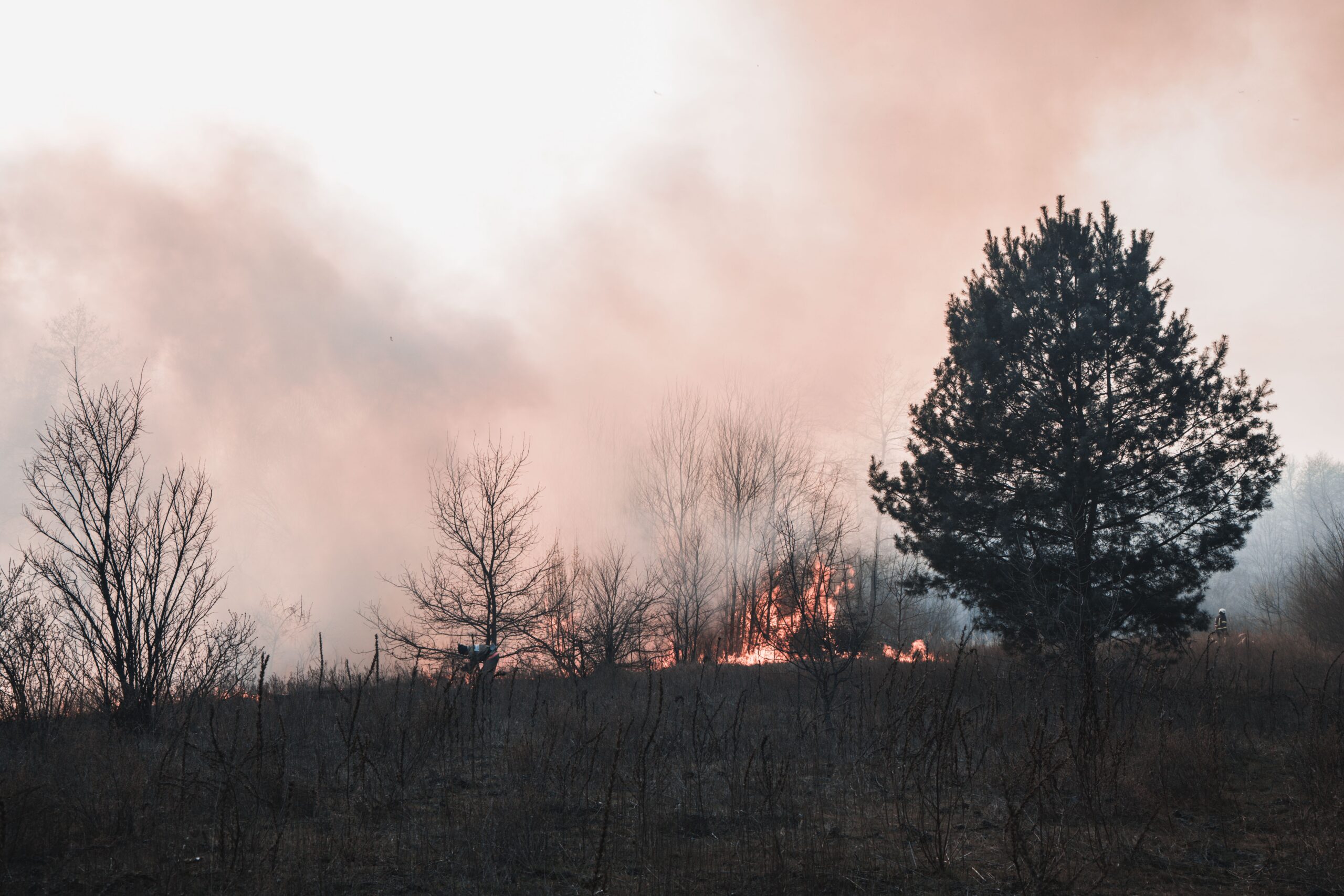
If your home sits near the foothills, in a mountain community, or anywhere close to open brush and dry vegetation along the Front Range, you’re living in what insurers call the wildland-urban interface — and it changes how your home insurance works.
Why Insurers Treat These Homes Differently
Colorado has seen a sharp rise in wildfire activity over the past decade, and insurance companies have responded by tightening underwriting in high-risk zip codes. Some homeowners in these areas have received nonrenewal notices even with no claims history, simply because their address falls inside a mapped wildfire risk zone.
What a Standard Homeowners Policy Covers
Most standard homeowners policies do cover wildfire and brush fire damage to your home, detached structures, and personal property — but coverage details matter:
- Dwelling coverage should reflect your home’s true rebuild cost, not market value — rebuild costs after a wildfire event often spike due to demand on contractors and materials.
- Additional Living Expenses (ALE) covers hotel/rental costs if you’re displaced during repairs — check your policy’s dollar or time limit.
- Debris removal and land/landscaping restoration are sometimes limited or excluded — worth confirming directly.
What Often Gets Missed
- Detached structures (sheds, detached garages, fences) usually have a separate, smaller coverage limit than your main home.
- Defensible space requirements — some insurers now require proof of vegetation clearance around the home (a defensible space assessment) to maintain coverage or qualify for the best rate.
- Wildfire mitigation credits — Colorado has been expanding discounts for homeowners who’ve completed mitigation work (removing dead vegetation, using fire-resistant roofing, etc.). Ask if you qualify.
If You’ve Been Nonrenewed
Colorado’s FAIR Plan exists specifically as a safety net for homeowners who can’t find coverage in the standard market due to wildfire risk. It’s not the cheapest option, but it ensures you’re not left completely uninsured while you look for a new standard carrier.
What To Do Now, Before Fire Season
- Confirm your dwelling coverage limit reflects current rebuild costs, not what you paid for the home.
- Ask your agent whether your address falls in a high-risk wildfire zone (many homeowners don’t realize theirs does until a nonrenewal notice arrives).
- Complete basic defensible space steps if you haven’t — it can affect both your eligibility and your premium.
- Review ALE limits — a wildfire evacuation can mean weeks, not days, away from home.
The Bottom Line
Wildfire risk doesn’t mean you can’t get good coverage — it means your policy needs a closer look than a typical renewal. A quick review now, before fire season peaks, is a lot less stressful than scrambling after a nonrenewal notice.
Not sure if your home is in a high-risk wildfire zone, or want a second opinion on your current coverage? Contact All Access Insurance for a free policy review.